
Effective Underground Tank Leakage Solutions: Addressing Leaking Underground Storage Tanks
Underground storage tanks (USTs) are essential for storing various liquids, including fuel, chemicals, and water. However, when these tanks begin to leak, they pose significant environmental and safety risks. Addressing these issues promptly and effectively is crucial to prevent contamination and costly remediation. In this post, I will share practical insights and solutions for managing underground tank leakage, focusing on prevention, detection, and remediation.
Understanding Underground Tank Leakage Solutions
When dealing with underground tank leakage, the first step is understanding the available solutions. These solutions range from preventive measures to advanced remediation techniques. Proper maintenance and regular inspections are the foundation of any effective strategy.
Preventive measures include:
Installing corrosion-resistant tanks or liners
Using leak detection systems such as sensors and automatic shutoff valves
Conducting routine integrity tests and inspections
If a leak is detected, remediation options depend on the severity and type of contamination. Common approaches include:
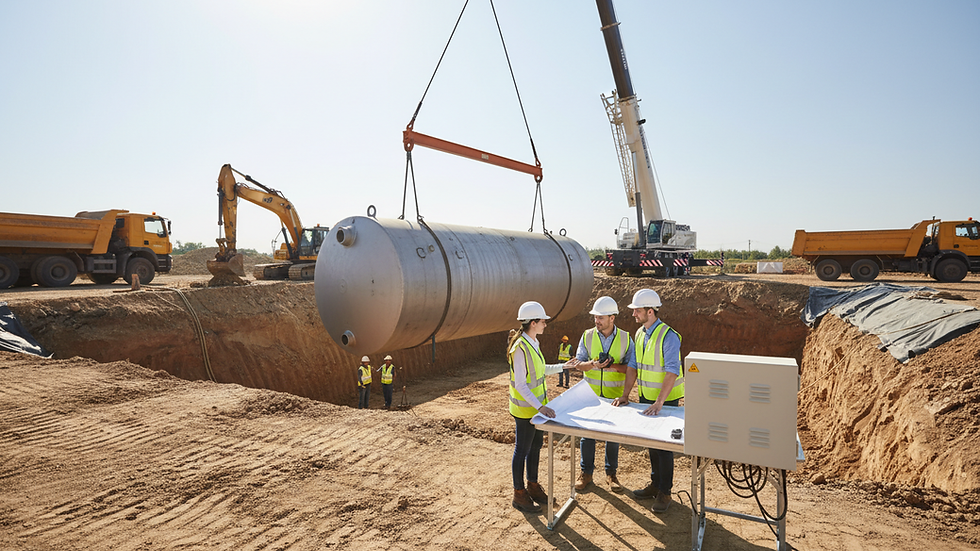
Excavation and removal of the tank
Soil vapor extraction to remove volatile contaminants
Bioremediation to break down pollutants naturally
Chemical treatments to neutralize hazardous substances
Each solution requires careful planning and coordination with environmental experts to ensure compliance with regulations and minimize environmental impact.
The Importance of Early Detection and Monitoring
Early detection of leaks is critical to minimizing damage. Many underground tanks are equipped with monitoring systems that alert operators to potential leaks before they become severe. These systems include:
Automatic tank gauging (ATG): Measures liquid levels and detects sudden drops indicating leaks.
Interstitial monitoring: Detects leaks in the space between double-walled tanks.
Soil and groundwater sampling: Regular testing around the tank site to identify contamination early.
Implementing a robust monitoring program helps catch leaks early, reducing cleanup costs and environmental harm. It also ensures compliance with state and federal regulations, which often require regular reporting and inspections.
What are the symptoms of a failing underground storage tank?
Recognizing the signs of a failing underground storage tank can prevent extensive damage. Some common symptoms include:
Unexplained loss of stored liquid: Sudden drops in tank volume without corresponding usage.
Strong odors: Smells of fuel or chemicals near the tank site.
Stained or discolored soil: Visible signs of contamination on the surface.
Poor vegetation growth: Dead or dying plants around the tank area due to soil contamination.
Groundwater contamination: Detection of pollutants in nearby wells or water sources.
If you notice any of these symptoms, immediate investigation is necessary. Ignoring these signs can lead to severe environmental damage and costly legal consequences.

Practical Steps to Address Leaking Underground Storage Tanks
Once a leak is suspected or confirmed, taking swift and effective action is essential. Here are practical steps to manage the situation:
Stop the source: If possible, halt the flow of liquid into the tank to prevent further leakage.
Notify authorities: Report the leak to relevant environmental agencies as required by law.
Conduct a site assessment: Hire qualified professionals to evaluate the extent of contamination.
Develop a remediation plan: Based on the assessment, create a detailed plan outlining cleanup methods, timelines, and safety measures.
Implement remediation: Carry out the cleanup using appropriate technologies and techniques.
Monitor post-remediation: Continue testing soil and groundwater to ensure the site is fully restored.
Following these steps ensures a structured response that protects the environment and public health.
Regulatory Compliance and Environmental Responsibility
Compliance with environmental regulations is a critical aspect of managing underground tank leakage. Federal and state agencies, such as the Environmental Protection Agency (EPA), set strict guidelines for tank installation, maintenance, leak detection, and remediation.
Key regulatory requirements include:
Registering tanks with appropriate authorities
Conducting regular inspections and leak tests
Reporting leaks promptly
Following approved cleanup procedures
Adhering to these regulations not only avoids legal penalties but also demonstrates a commitment to environmental stewardship. It is essential to work with experienced environmental consultants and engineers who understand the regulatory landscape and can guide compliance efforts.
Moving Forward with Confidence
Addressing leaking underground storage tanks requires a combination of vigilance, expertise, and timely action. By understanding the risks, recognizing symptoms, and implementing effective underground tank leakage solutions, it is possible to protect the environment and reduce liability.
If you are managing sites with underground storage tanks, consider investing in advanced monitoring technologies and establishing a proactive maintenance schedule. When leaks occur, act quickly and engage qualified professionals to handle remediation.
For more detailed information on leaking underground storage tanks, including regulatory guidance and technical resources, visit the EPA’s official site.
Taking these steps will help ensure that underground storage tanks remain safe and secure, safeguarding both your property and the surrounding environment.


Comments