
Key Practices in Toxic Waste Handling Methods
Managing toxic waste is a critical responsibility for many industries and organizations. Proper handling ensures safety, environmental protection, and regulatory compliance. In this post, I will walk you through essential practices in toxic waste handling methods, providing clear guidance and practical tips. Whether you are involved in construction, telecommunications, or environmental consulting, understanding these methods is vital.
Understanding Toxic Waste Handling Methods
Toxic waste handling methods involve the processes used to collect, store, transport, treat, and dispose of hazardous materials safely. These methods are designed to minimize risks to human health and the environment. Handling toxic waste improperly can lead to contamination, legal penalties, and costly cleanup efforts.
Some common toxic waste handling methods include:
Segregation: Separating hazardous waste from non-hazardous waste to prevent dangerous reactions.
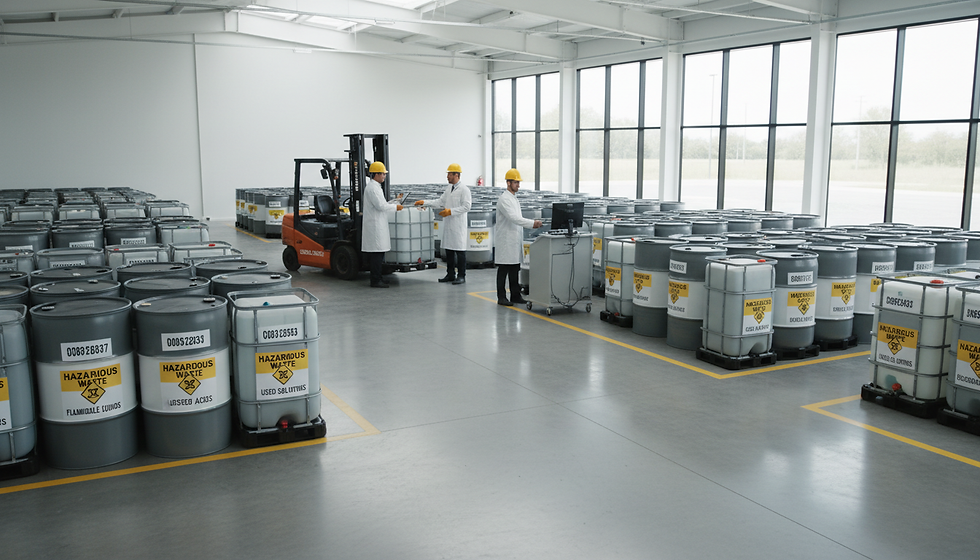
Labeling and Packaging: Using appropriate containers and clear labels to identify the type of waste and hazards.
Storage: Keeping waste in secure, designated areas that prevent leaks and exposure.
Transportation: Using licensed carriers and following strict regulations to move waste safely.
Treatment and Disposal: Applying chemical, physical, or biological processes to neutralize or safely dispose of waste.
Each step requires careful planning and adherence to local, state, and federal regulations. For example, the Resource Conservation and Recovery Act (RCRA) in the United States sets standards for hazardous waste management.

What are 7 hazardous wastes?
Identifying the types of hazardous wastes is the first step in managing them effectively. Here are seven common categories of hazardous waste you should be aware of:
Ignitable Waste: Materials that can easily catch fire, such as solvents and certain chemicals.
Corrosive Waste: Substances that can corrode metals or cause severe skin burns, like strong acids and bases.
Reactive Waste: Chemicals that are unstable and can explode or release toxic gases when mixed or exposed to water.
Toxic Waste: Waste that is harmful or fatal when ingested or absorbed, including heavy metals like lead and mercury.
Pathological Waste: Human or animal tissues, blood, and body parts that require special handling.
Radioactive Waste: Materials contaminated with radioactive substances.
Universal Waste: Common hazardous wastes such as batteries, pesticides, and fluorescent lamps.
Understanding these categories helps in selecting the right handling and disposal methods. For instance, reactive waste requires special containment to prevent dangerous reactions during storage and transport.
Best Practices for Safe Toxic Waste Handling
Implementing best practices in toxic waste handling methods is essential to reduce risks. Here are some key recommendations:
Conduct Regular Training: Ensure all personnel involved in waste handling are trained on safety procedures and emergency response.
Use Proper Personal Protective Equipment (PPE): Gloves, goggles, respirators, and protective clothing should be standard.
Maintain Accurate Records: Document waste types, quantities, storage locations, and disposal methods.
Implement Spill Prevention Plans: Have containment systems and cleanup materials ready to address accidental releases.
Follow Regulatory Guidelines: Stay updated with EPA and state regulations to ensure compliance.
Perform Routine Inspections: Check storage areas and containers regularly for leaks or damage.
Engage Certified Waste Disposal Services: Use licensed contractors for transportation and disposal to guarantee safe handling.
By following these practices, you can minimize environmental impact and protect workers and the community.

The Role of Technology in Hazardous Waste Management
Technology plays a growing role in improving toxic waste handling methods. Innovations help increase safety, efficiency, and compliance. Some examples include:
Automated Tracking Systems: Digital platforms track waste from generation to disposal, reducing errors and improving transparency.
Advanced Treatment Technologies: Methods like plasma arc treatment and bioremediation break down hazardous compounds more effectively.
Remote Monitoring: Sensors and cameras monitor storage conditions in real-time to detect leaks or temperature changes.
Mobile Apps for Training and Reporting: These tools provide on-the-go access to safety protocols and incident reporting.
Incorporating technology can streamline operations and provide valuable data for continuous improvement.
Environmental and Health Impacts of Poor Waste Handling
Ignoring proper toxic waste handling methods can have severe consequences. Contaminated soil, water, and air pose risks to ecosystems and human health. For example:
Groundwater Contamination: Leaking waste can pollute drinking water sources, leading to illnesses.
Air Pollution: Improper incineration releases toxic fumes and particulates.
Soil Degradation: Hazardous chemicals can destroy soil quality, affecting agriculture and wildlife.
Health Hazards: Exposure to toxic substances can cause respiratory problems, skin diseases, and long-term conditions like cancer.
Understanding these impacts reinforces the importance of responsible waste management.
Moving Forward with Responsible Waste Practices
Managing toxic waste is a complex but essential task. By adopting clear, effective toxic waste handling methods, organizations can protect people and the environment while meeting legal requirements. Remember to:
Stay informed about regulations and best practices.
Invest in training and technology.
Collaborate with certified waste management professionals.
Prioritize safety and environmental stewardship in every step.
For more detailed guidance on hazardous waste management, consult official resources and experts in the field. Taking these steps will help ensure your operations remain safe, compliant, and sustainable.


Comments