
Key Practices in Toxic Waste Handling Methods
Managing toxic waste is a critical responsibility that demands precision, knowledge, and adherence to strict protocols. Improper handling can lead to severe environmental damage, health risks, and legal consequences. In this post, I will walk you through essential practices in toxic waste handling methods, providing clear guidance and practical steps to ensure safety and compliance.
Understanding Toxic Waste Handling Methods
Toxic waste handling methods involve the processes used to collect, store, transport, treat, and dispose of hazardous materials safely. These methods are designed to minimize exposure to harmful substances and prevent contamination of soil, water, and air.
Key components of effective toxic waste handling include:
Identification and classification: Knowing the type of waste you are dealing with is the first step. This involves testing and categorizing waste based on its chemical and physical properties.
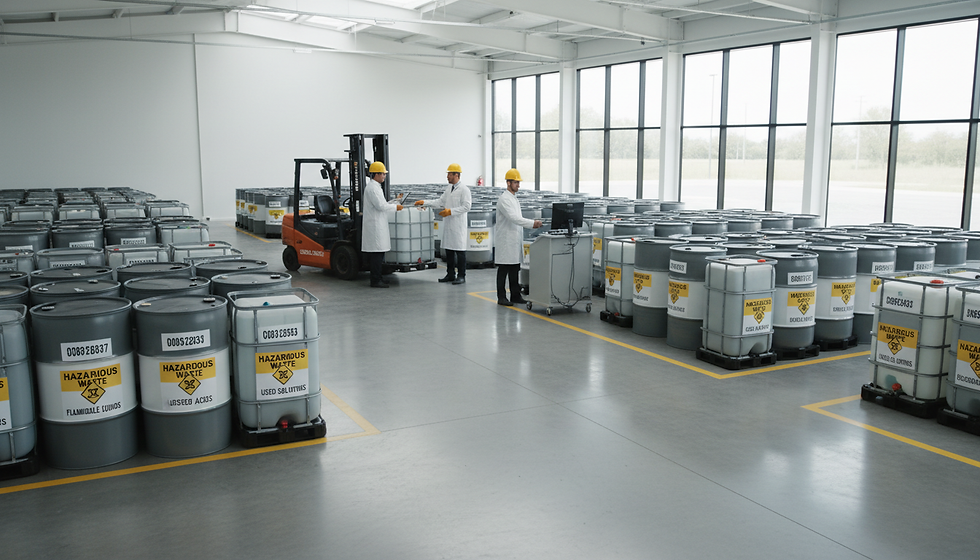
Proper containment: Using appropriate containers that resist corrosion and leakage is vital. Containers must be clearly labeled with hazard information.
Safe storage: Waste should be stored in designated areas with secondary containment systems to catch spills.
Transportation protocols: Transport vehicles must comply with regulations, and drivers should be trained in emergency response.
Treatment and disposal: Depending on the waste type, treatment may involve neutralization, incineration, or stabilization before final disposal in approved facilities.
Following these methods reduces risks and ensures compliance with environmental regulations.

Key Steps in Toxic Waste Handling Methods
To implement toxic waste handling methods effectively, follow these steps:
Waste Characterization: Begin by analyzing the waste to determine its hazardous properties. This step guides all subsequent handling decisions.
Segregation: Separate incompatible wastes to prevent dangerous reactions. For example, acids should never be stored near bases.
Packaging: Use containers that meet regulatory standards. Ensure they are sealed and labeled with hazard symbols and handling instructions.
Documentation: Maintain detailed records of waste types, quantities, and movement. This documentation supports regulatory compliance and tracking.
Training: Personnel must receive regular training on handling procedures, emergency response, and use of personal protective equipment (PPE).
Emergency Preparedness: Develop and practice spill response plans. Keep spill kits and neutralizing agents readily available.
Regular Inspections: Conduct routine checks of storage areas and containers to identify leaks or deterioration early.
By following these steps, you create a safer environment for workers and the community.

What are 7 hazardous wastes?
Understanding the types of hazardous wastes is crucial for proper management. Here are seven common categories:
Flammable wastes: Materials that can easily ignite, such as solvents, oils, and certain gases.
Corrosive wastes: Substances that can destroy or irreversibly damage materials or living tissue, like strong acids and bases.
Toxic wastes: Chemicals harmful or fatal when ingested or absorbed, including pesticides and heavy metals.
Reactive wastes: Materials that can explode or release toxic gases when mixed with water or other substances.
Infectious wastes: Biological materials contaminated with pathogens, such as medical waste.
Radioactive wastes: Materials emitting ionizing radiation, requiring specialized handling.
Universal wastes: Common hazardous wastes like batteries, fluorescent lamps, and mercury-containing devices.
Each type demands specific handling and disposal methods to mitigate risks effectively.
Best Practices for Safe Toxic Waste Disposal
Disposal is the final and most critical phase in toxic waste handling methods. Here are best practices to ensure safety and compliance:
Use licensed disposal facilities: Only dispose of hazardous waste at facilities authorized by regulatory agencies.
Apply treatment technologies: Techniques such as chemical neutralization, bioremediation, or incineration can reduce toxicity before disposal.
Follow local and federal regulations: Compliance with laws like the Resource Conservation and Recovery Act (RCRA) is mandatory.
Minimize waste generation: Implement waste reduction strategies at the source to lower disposal volumes.
Document disposal activities: Keep detailed records of waste shipments, treatment, and final disposal.
These practices protect the environment and reduce liability.
Enhancing Safety Through Training and Technology
Investing in training and technology improves toxic waste handling methods significantly. Here’s how:
Regular training sessions: Keep staff updated on the latest regulations, safety protocols, and emergency procedures.
Use of technology: Employ tracking software for waste inventory and movement. Sensors can detect leaks or spills early.
Personal protective equipment (PPE): Ensure availability and proper use of gloves, respirators, and protective clothing.
Automation: Automated systems can reduce human exposure by handling waste transfer and treatment processes.
Continuous improvement in these areas leads to safer and more efficient hazardous waste management.
Moving Forward with Responsible Waste Management
Handling toxic waste responsibly is not just a regulatory requirement but a commitment to environmental stewardship and public health. By applying the outlined toxic waste handling methods, you can ensure that hazardous materials are managed safely from generation to disposal.
For those seeking to deepen their understanding or implement robust systems, consider consulting experts in hazardous waste management who can provide tailored solutions and compliance support.
Together, we can reduce risks and protect our communities and natural resources for future generations.


Comments